Nowadays, with growing concerns about energy consumption and sustainability, evaporative cooling stands out as a smart way to keep business spaces cool and comfortable during the summer — in a cost-effective and environmentally friendly way.
If you’re looking for a solution that combines thermal comfort and energy efficiency in a work environment, evaporative cooling might be the right choice. In this article, we’ll explore the advantages of this innovative technology and how it can be optimised for different types of commercial and industrial spaces.
What Is Evaporative Cooling?
Evaporative cooling is a system that uses the natural process of water evaporation to cool the air — similar to how sweat cools the skin. This method is highly efficient and sustainable, as it consumes far less energy than traditional air conditioning systems.
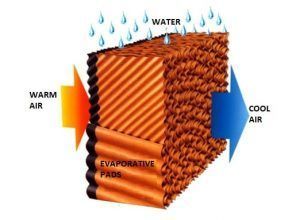
Here’s how it works: hot air is drawn in by a fan and passed through a water-moistened pad. As the air moves through the pad, the water evaporates, removing heat from the air and cooling it down. The cooled air is then distributed into the space.
The big difference compared to traditional systems is that evaporative cooling does not use refrigerant gases, making it a much greener and more affordable alternative.
Benefits of Evaporative Cooling for Businesses
1. Energy Efficiency
One of the main advantages of evaporative cooling is energy efficiency. Compared to traditional air conditioning, evaporative coolers consume much less electricity. Since the cooling process only requires ventilation and water — instead of power-hungry compressors and refrigerants — this leads to significantly lower energy bills, especially in large commercial or industrial spaces where cooling is needed continuously.
2. Sustainability and Lower Environmental Impact
In addition to being more economical, evaporative cooling is also more environmentally sustainable. It doesn’t use refrigerant gases that contribute to global warming. By relying primarily on water, this cooling method is much less aggressive toward the environment compared to conventional systems that depend on harmful materials and complex processes.
3. Natural and Healthier Thermal Comfort
Unlike air conditioning systems, which can dry out the air and cause respiratory discomfort, evaporative cooling maintains a pleasant level of air humidity. This results in a healthier indoor environment — good for the skin, eyes, and respiratory system. It also reduces common issues like dry throat and allergy flare-ups caused by overly dry, artificially cooled air.
4. Versatility and Portability for Business Use
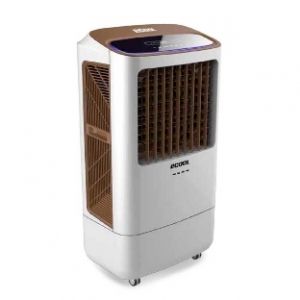
Portable evaporative coolers are ideal for both commercial and industrial settings. These units can be easily moved from one area to another, offering flexibility to cool different spaces as needed. In warehouses, offices, or factories, evaporative cooling provides an efficient and cost-effective solution.
It’s worth noting that evaporative coolers are particularly effective in summer, when outdoor temperatures are high.
How to Optimise the Use of Evaporative Coolers in Commercial and Industrial Spaces
If you’re investing in an evaporative cooler, it’s important to choose the right model for your specific space. Here are some tips to ensure the best performance:
-
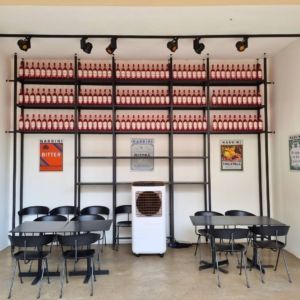
Commercial spaces: In areas with high foot traffic like shops or offices, consider more powerful evaporative coolers. These models are designed to cool large areas efficiently and cost-effectively.
-
Industrial spaces: For large facilities like warehouses or factories, portable systems are often recommended. In some cases, centralised systems may be required — it depends on the size and layout of the space. Portable coolers are usually easier to install and maintain, making them ideal for businesses that don’t need complex installations.
Simple and Practical Maintenance
To ensure your evaporative cooler runs efficiently for years, regular maintenance is essential. Here are some best practices:
-
Regular cleaning: Keep the cooling pad and water tank clean to prevent the buildup of dirt, mold, or bacteria.
-
Filter replacement: The filters on evaporative coolers typically last between 3 and 5 years, depending on usage.
-
Use quality water: Most coolers work just fine with tap water. Filtering is optional, but using water filters can help reduce mineral and lime buildup for improved performance.
Evaporative Cooling vs Air Conditioning: What’s Best for Businesses?
Many business owners wonder which system is best for cooling their space. The main difference lies in the cooling method:
-
Air conditioning uses a refrigerant gas compression-expansion cycle, which requires more energy and has higher maintenance costs.
-
Evaporative cooling, on the other hand, relies solely on air and water — making it much more affordable and environmentally friendly.
Evaporative coolers are especially effective during summer and the hotter months in general.
Conclusion: Choose Evaporative Cooling for Sustainable Comfort in Your Business
Investing in an evaporative cooling system is not just a smart financial decision — it’s a responsible environmental choice as well. As demand grows for greener and more efficient cooling solutions, evaporative cooling stands out as a viable alternative that ensures thermal comfort in commercial and industrial spaces without skyrocketing energy bills.